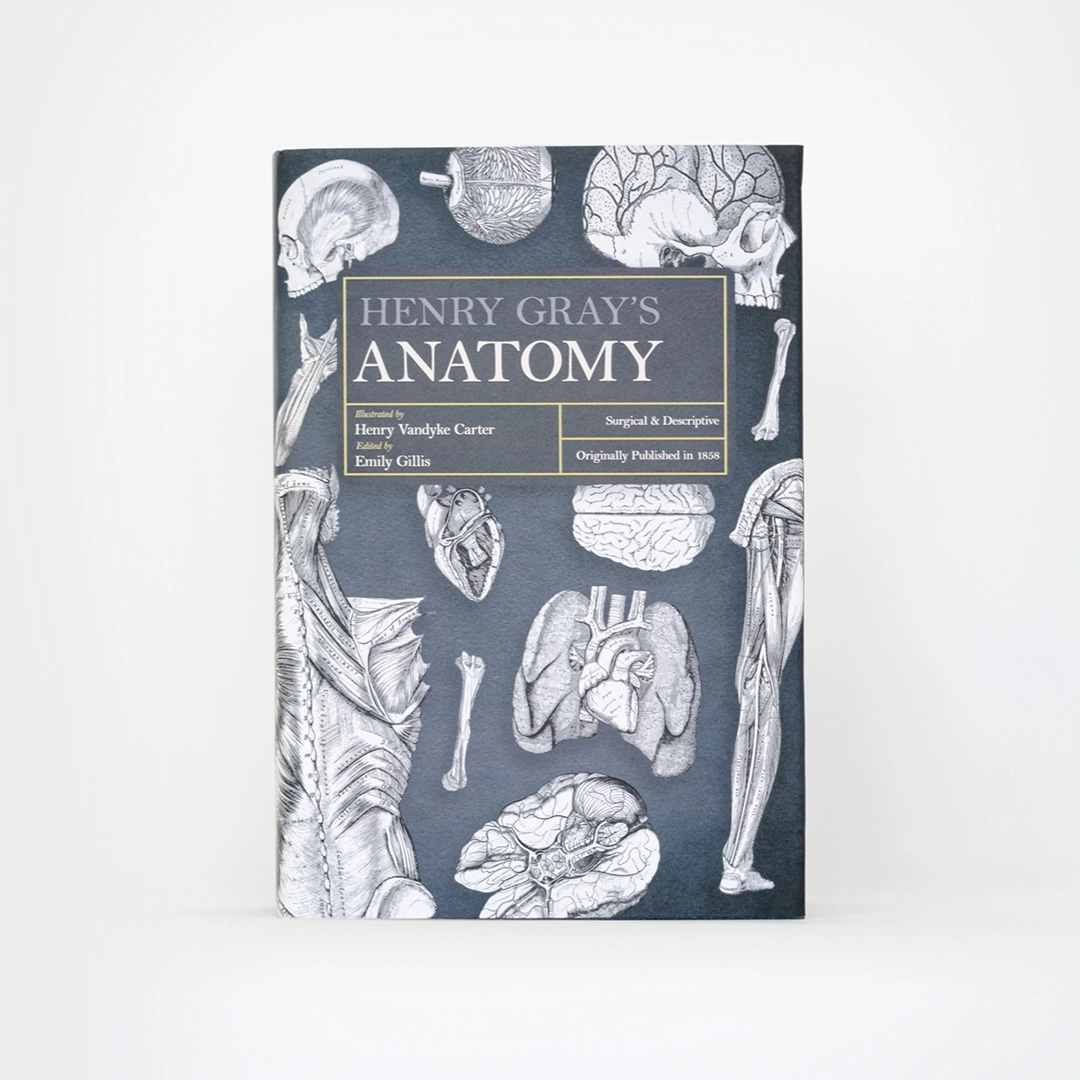
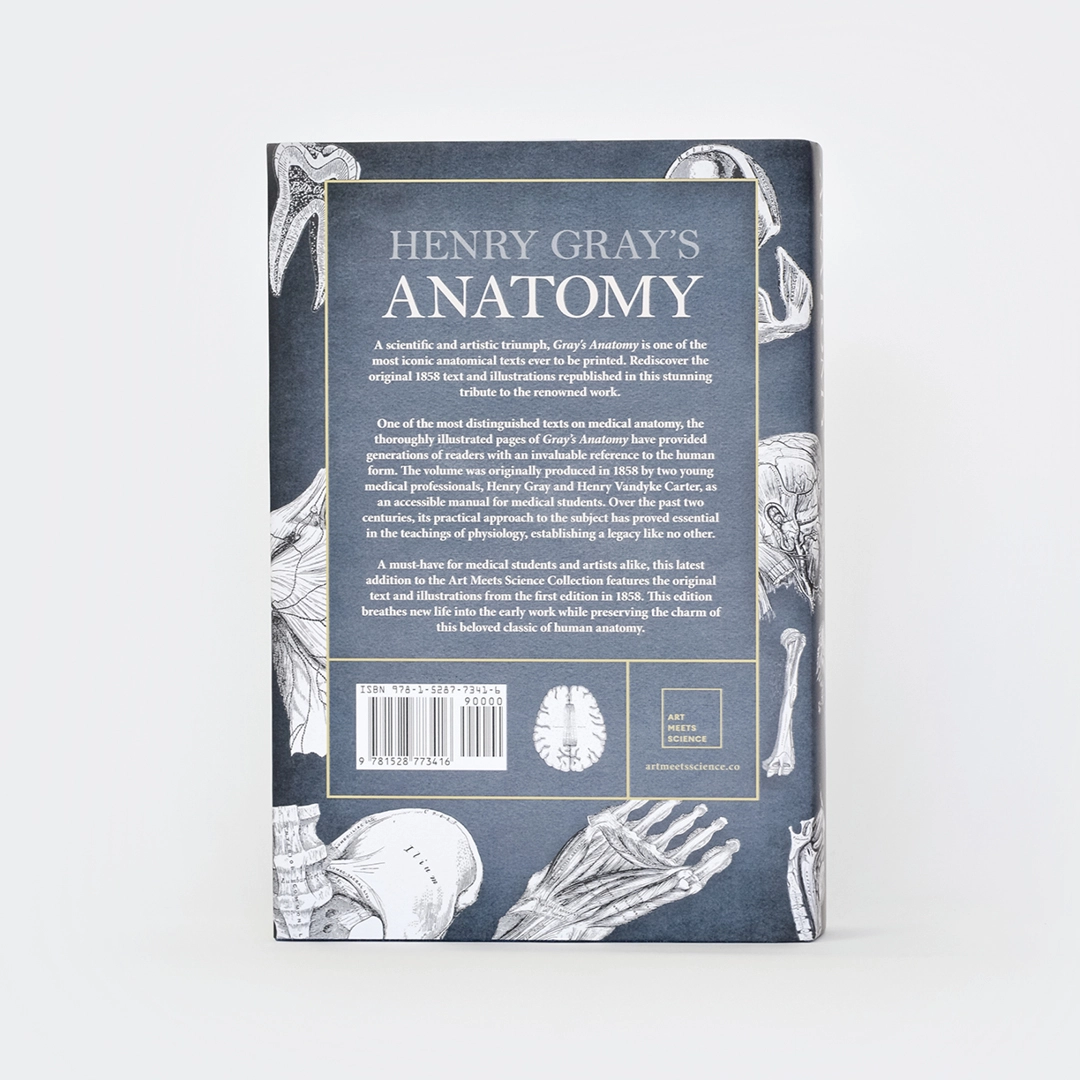
Front Cover of Henry Gray's Anatomy by Henry Gray ISBN:9781528723671

Henry Gray’s Anatomy

Surgical and Descriptive

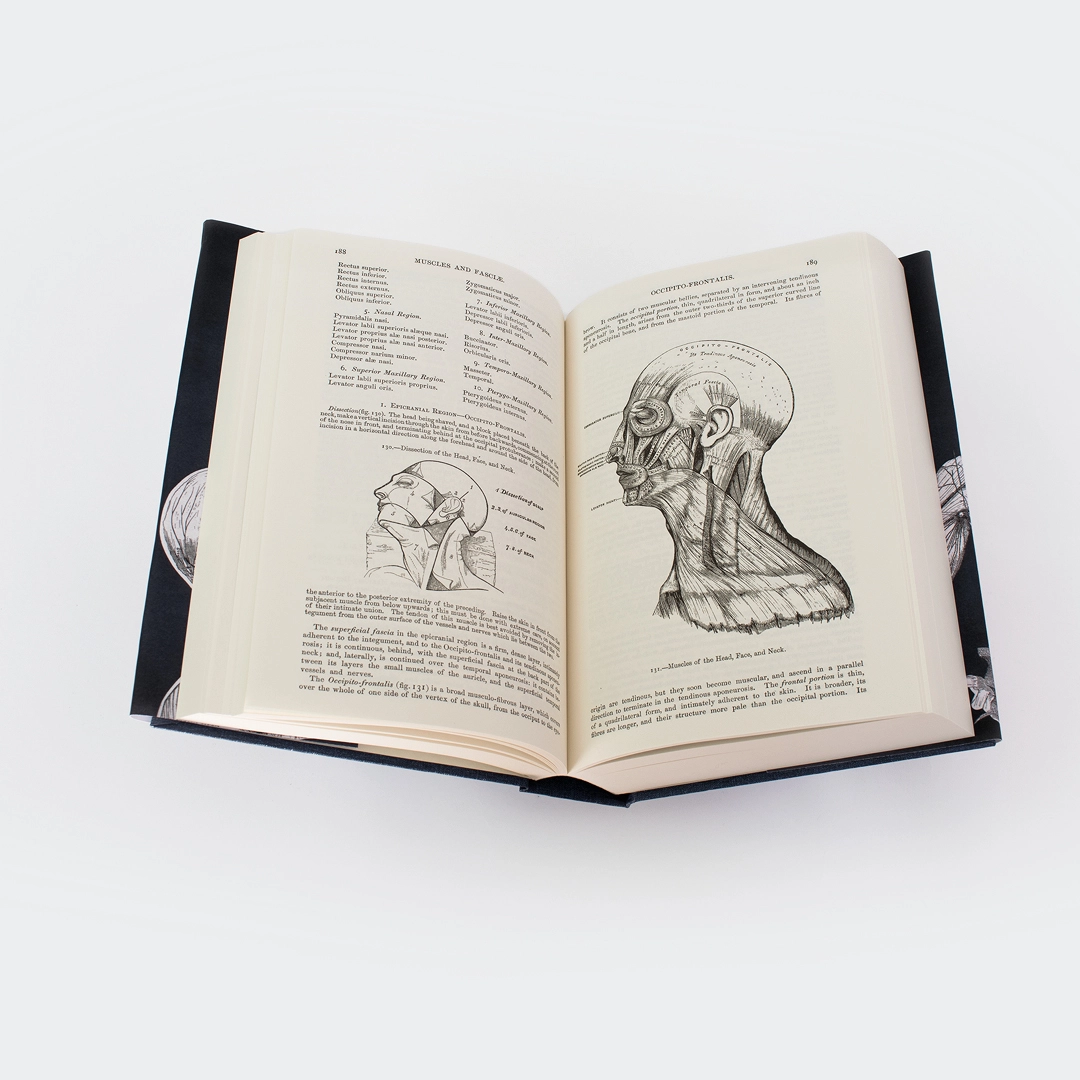
A scientific and artistic triumph, Gray’s Anatomy is one of the most iconic anatomical books ever to be printed – reproduced here as it appeared in 1858, with Henry Vandyke Carter’s original illustrations alongside Henry Gray’s text.

Book Description

A scientific and artistic triumph, Gray’s Anatomy is one of the most iconic anatomical books ever to be printed – reproduced here as it appeared in 1858, with Henry Vandyke Carter’s original illustrations alongside Henry Gray’s text.

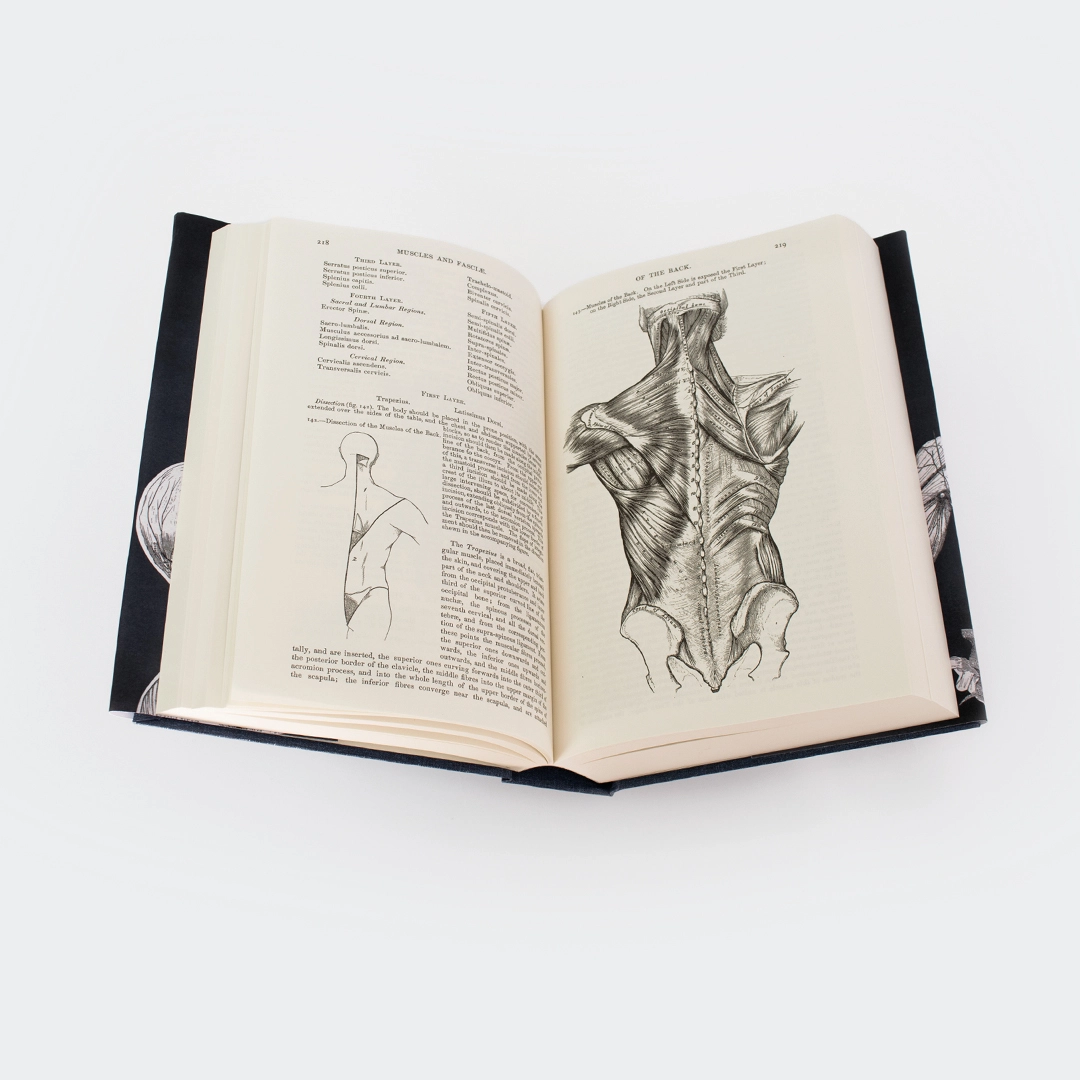
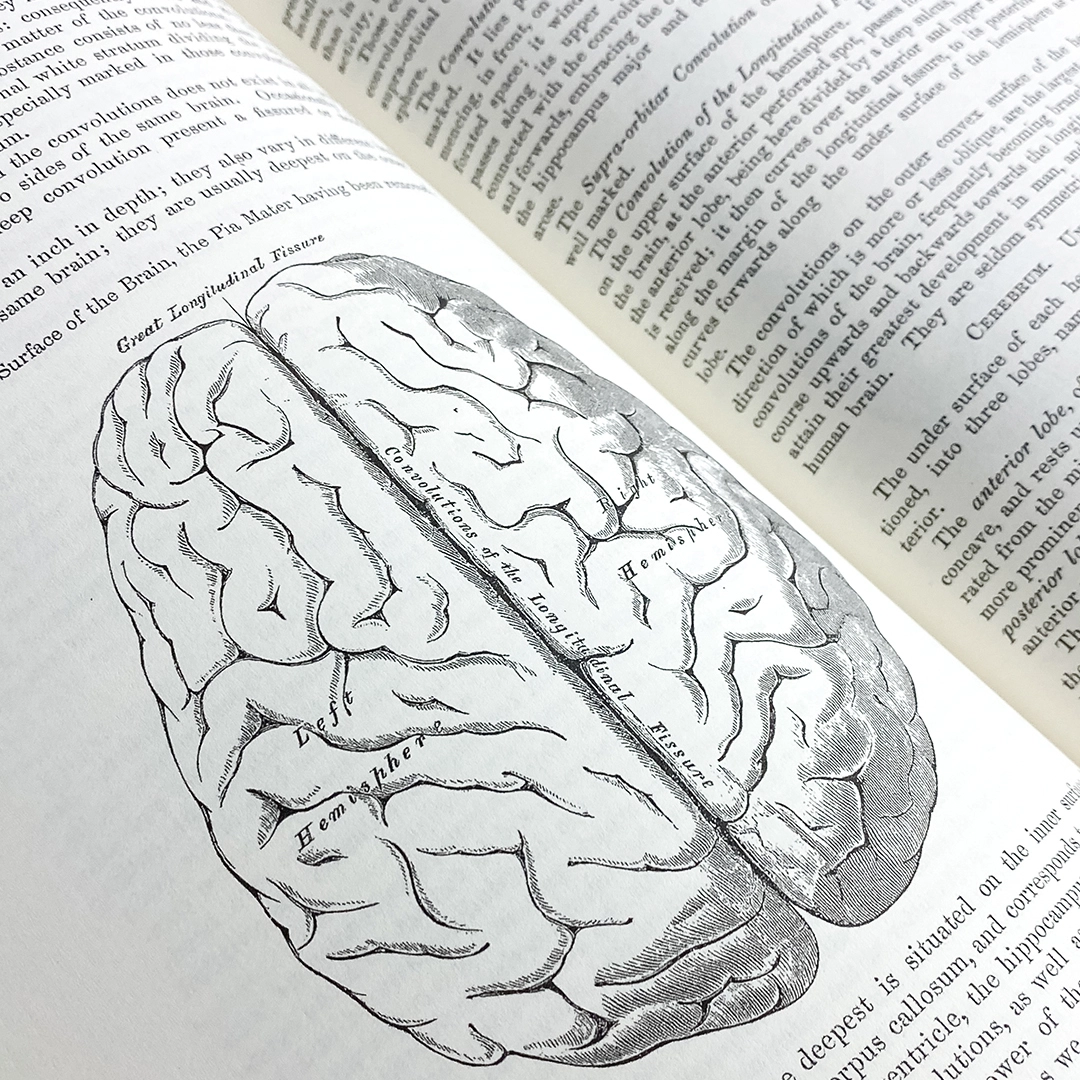
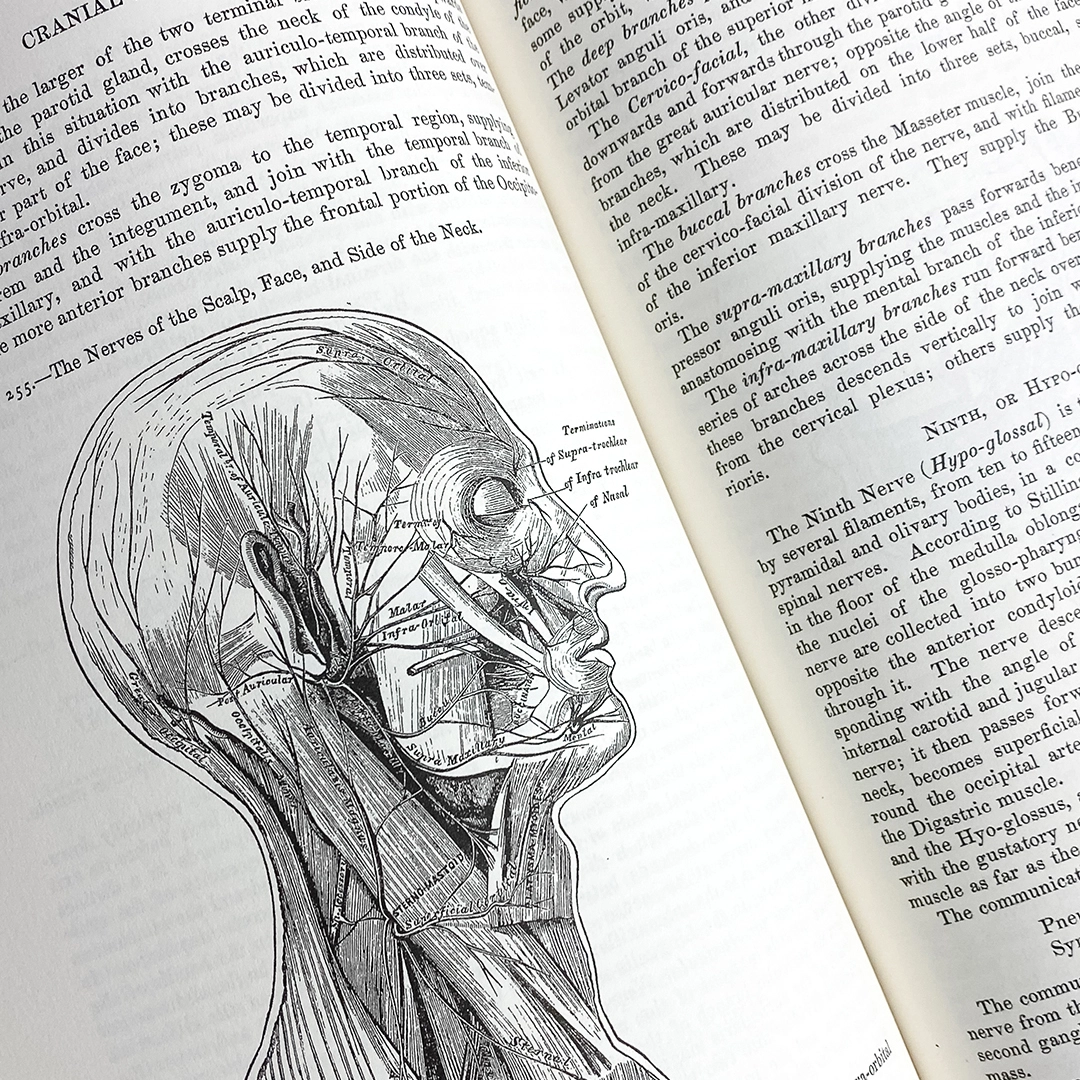
The thoroughly illustrated pages of Gray’s Anatomy have guided readers through the body for generations, but it is Carter’s engravings that are the reason the book endures. Drawn from dissections he and Gray carried out at St George’s Hospital in London, they turned a students’ manual into something closer to a work of art.

Gray and Carter were both young men when the first edition appeared, and set out simply to make an affordable, accurate guide for students of surgery and anatomy. Over the past 150 years, revised and reissued many times over, it became the most famous anatomy book in the world.

This edition presents the 1858 text and illustrations as they were first printed, complete with additional writing on the art and history of anatomy.

Publisher's Note

For the illustrator, the anatomist, or anyone fascinated by the human body, Henry Gray’s Anatomy is a household name that needs little introduction – its landmark 1858 illustrations are as much a work of art as a work of science.

Its story is dominated by Henry Gray’s persona, but it would scarcely exist without the prolific illustrations by Henry Vandyke Carter, and vice versa. It’s a brilliant example of the enduring dependency and coexistence of the arts and sciences, and is an inexhaustible reference to the beauty of the human form.

“It’s the legacy of Gray’s Anatomy that spoke to me most. It’s been in print since it was first published; its knowledge has been passed down through the generations, just as it was handed to me. This was the book I used in art school to reference the figure. My grandmother gifted it to me; she used it when she was studying to be a physio as a young woman in the 1940s.”—Emily, Editor

Additional information

Weight 1186.164 g
Dimensions 6 × 9 in
ISBN

9781528723671, 9781528773416, 9781528799218

Formats Available

, ,

Pages

822

Publication Date

22 March 2024

Book Features:

  • A facsimile of the 1858 edition of Henry Gray’s Anatomy: Descriptive and Surgical.
  • Over 300 wood-engraved figures by Henry Vandyke Carter, drawn from dissections at St George’s Hospital, London.
  • Henry Gray’s full descriptive and surgical text as first published.
  • The foundational reference of modern Western anatomical teaching.
  • A unique gift book for medical students, doctors, and lovers of anatomical art and illustration.

Table of Contents:

Contents:

  • An Introduction to Gray’s Anatomy: The Art Meets Science Edition
  • A Brief History of Anatomical Study
  • Anatomy: Descriptive and Surgical by Henry Gray
  • List of Illustrations
  • Descriptive and Surgical Anatomy

Editorial Reviews:

“Elegant in exterior… profusely as well as beautifully illustrated.”— The Medical and Surgical Journal, 1859

“The matchless book of the doctor’s or surgeon’s library is and has been Gray’s Anatomy… it has held the leading place in all the colleges… and has been the one central figure in the many text-books in anatomy that have claimed attention.”— Kan. City Medical Index, 1896

“No medical student is, in our opinion, well equipped without a Gray’s Anatomy.”—Pittsburg Medical Review, 1896

“Nothing but the highest praise can be extended in favour of this work, and continued success is only to be expected of a book which still stands at the pinnacle of anatomical works”—The St. Louis Clinique, 1896

Extract

“Anatomy is to physiology as geography is to history; it describes the theatre of events.”—Jean Fernel (1497–1558)

Originally titled Anatomy: Descriptive and Surgical, the book began as the project of two young anatomists, Henry Gray FRS (1827–1861) and Henry Vandyke Carter (1831–1897), working together in the dissection theatre at St George’s Hospital, London. Documenting their observations, the pair set out to create an affordable medical textbook for students studying surgery and anatomy.

First published in 1858, Gray’s Anatomy was produced at a moment of rapid anatomical innovation in mid-Victorian London, showcasing the developments in medical knowledge and technology of the time. Up to this point in the history of anatomy, the foundational medical information was based on that established in antiquity. Early physicians like Galen (c.130–c.210 AD) produced key writings on the subject, endeavouring to understand the inner workings of the human body with limited resources, often dissecting animals to aid such discoveries. These early ideas permeated anatomical understanding in the centuries that followed, being developed and disproved as knowledge progressed. New generations had access to improved technologies, and, most importantly, lawful access to cadavers.

—From the Introduction

More About This Work

Traditionally, Gray’s Anatomy is attributed to Henry Gray alone, but it would be half the book it is (both in physicality and influence) without the illustrations of his counterpart. Gray was thirty-one and a Fellow of the Royal Society when the first edition of the Anatomy appeared. He died three years later of smallpox, at just thirty-four. Henry Vandyke Carter, the illustrator and dissector who made the book possible, received a much smaller share of the credit on the title page than Gray, and a much smaller share of the royalties. After its publication, Carter went on to a distinguished career in India with the Indian Medical Service. It is only in recent decades that Carter has begun to receive the recognition Gray’s name so long overshadowed.

A Victorian botanical illustration of diverse fungi species by Anna Maria Hussey, a pioneering female mycologist and scientific illustrator.
Pages-from-Firework_art-of-fireworks_504h