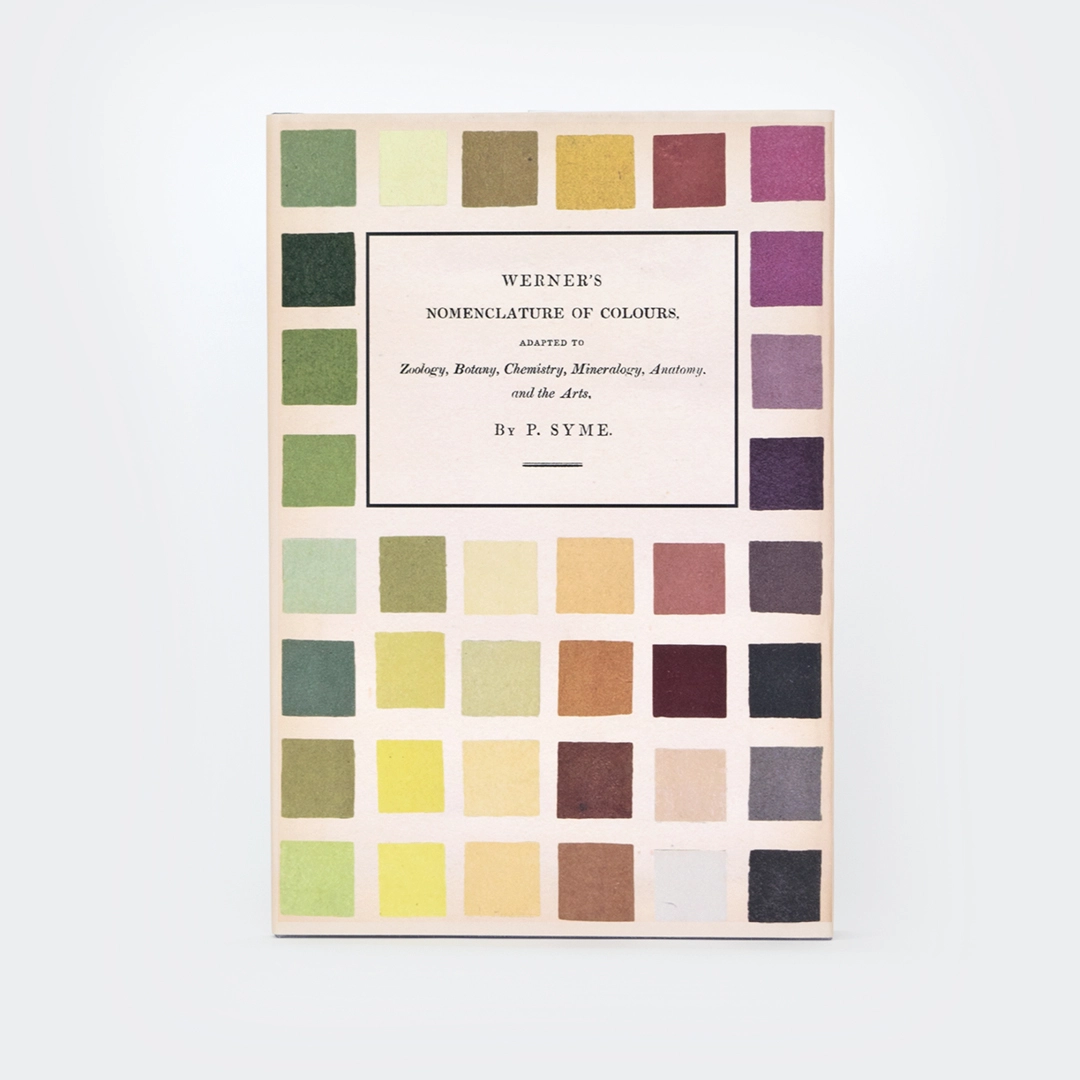
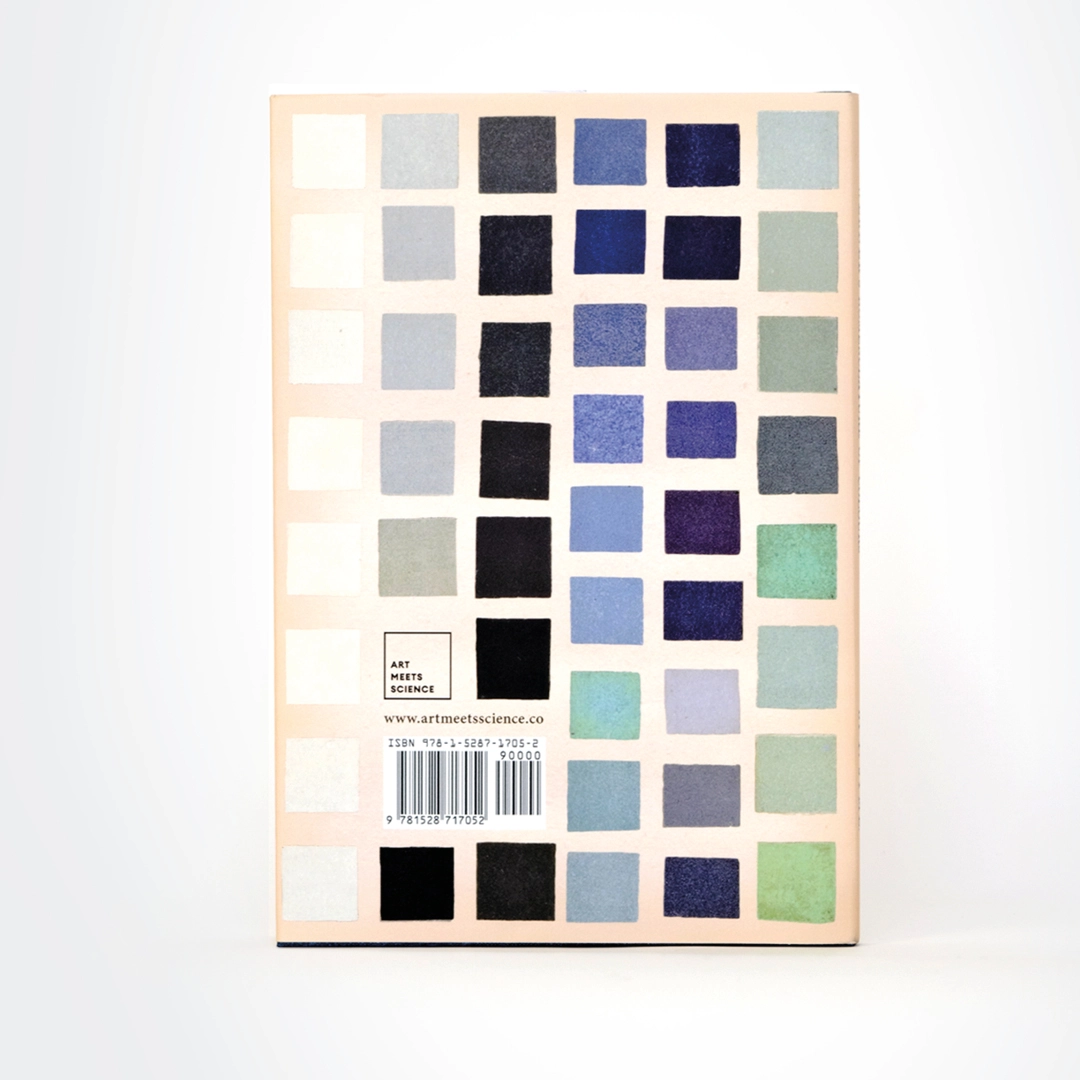
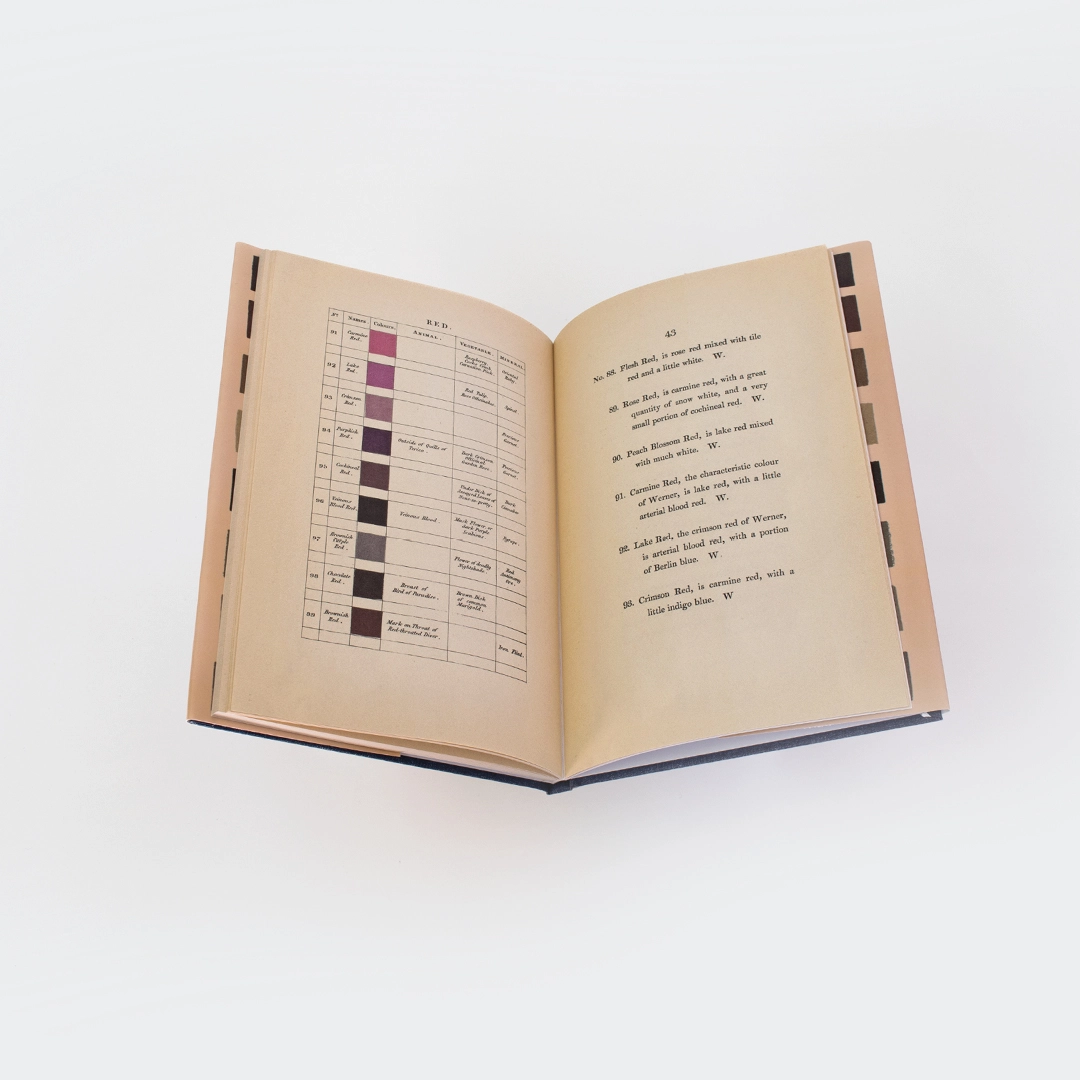
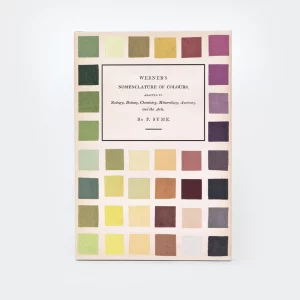
Front Cover of Werner's Nomenclature of Colours by Patrick Syme ISBN:9781528717090

Werner’s Nomenclature of Colours

Adapted to Zoology, Botany, Chemistry, Mineralogy, Anatomy, and the Arts

A guide to nature’s colour palette, Werner’s Nomenclature of Colours pairs 110 colour swatches with poetic descriptions of the plants, animals, and minerals each shade was drawn from.

Book Description

A colour guide to nature, Werner’s Nomenclature of Colours pairs 110 colour swatches with poetic descriptions of the plants, animals, and minerals each shade was drawn from.

“I had been struck by the beautiful colour of the sea when seen through the chinks of a straw hat… according to Werner nomenclature ‘Indigo with a little Azure blue’.”— Charles Darwin, 1832

In the eighteenth century, German geologist Abraham Gottlob Werner set out to establish a standard guide to colour for use across the sciences. Decades later, Scottish botanical artist Patrick Syme extended Werner’s work, refining it into a comprehensive catalogue of the most prominent shades and hues found in nature.

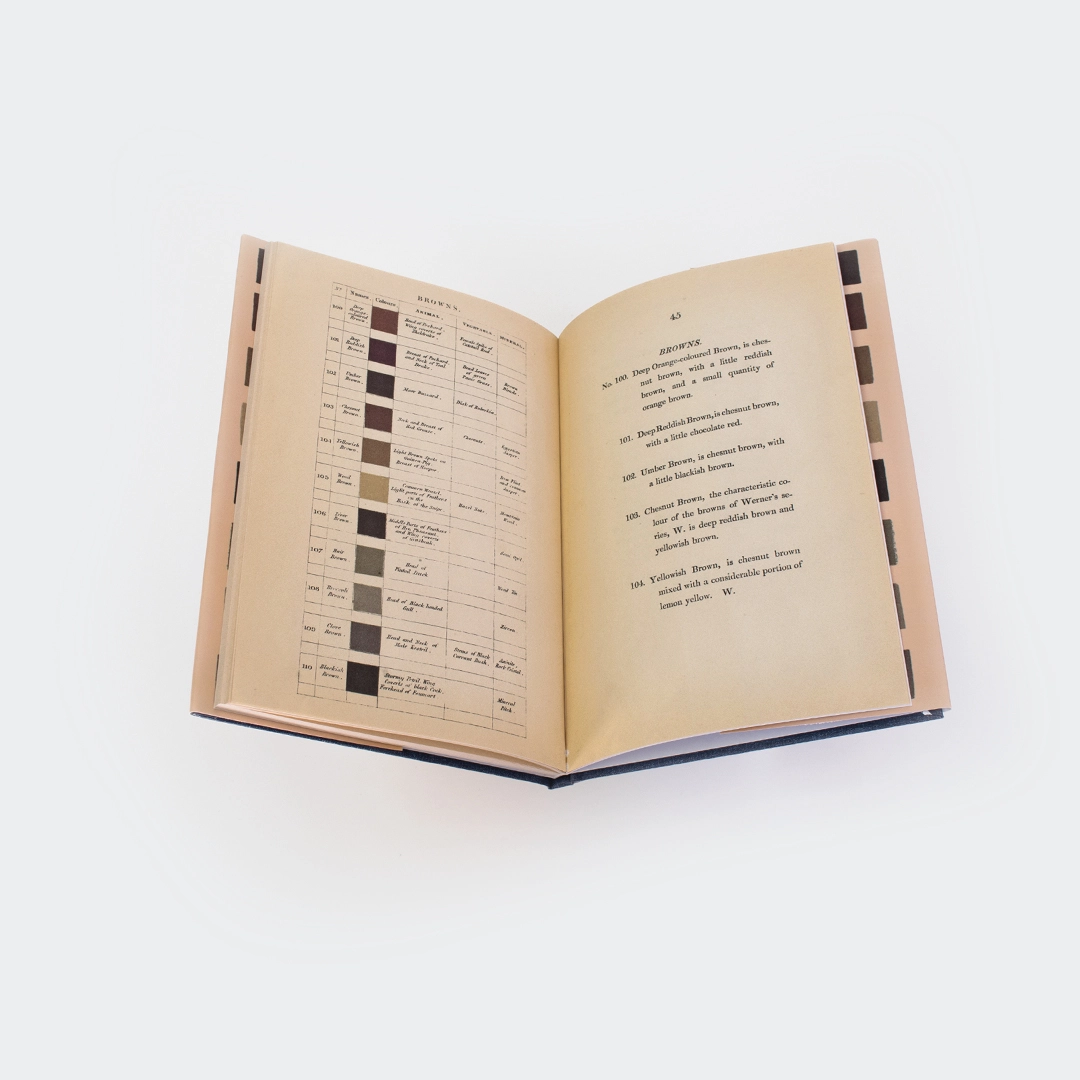
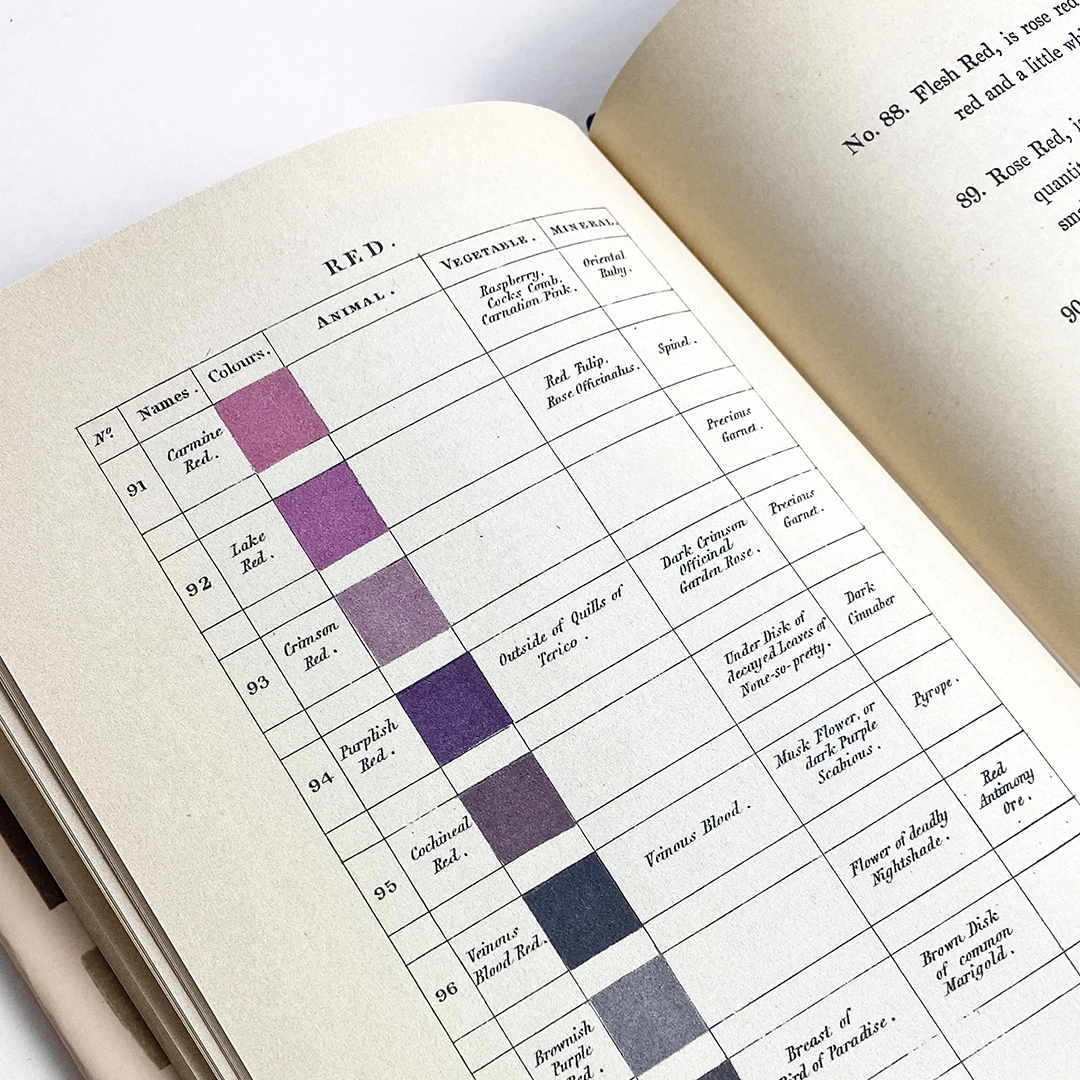
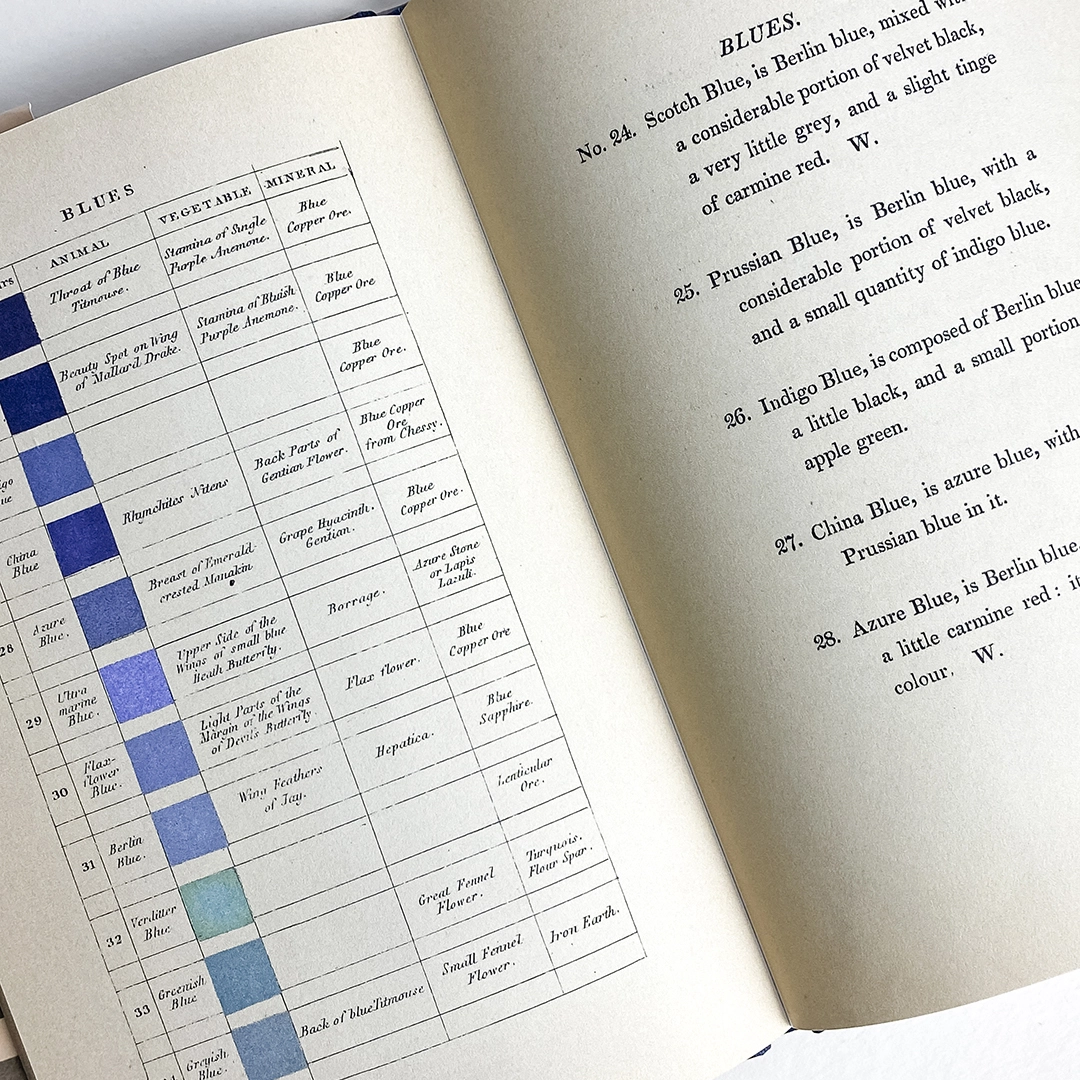
Each colour swatch in Syme’s edition carries its poetic name, examples found in nature, and colour recipes to replicate them in the arts. It offers a practical tool to be used by artists, scientists, and explorers – most notably Charles Darwin during his voyage on HMS Beagle. It became one of the most charming reference books of its age, and a forerunner of the standardised colour systems that followed.

Pairing Werner’s expanded work with a new introduction, this edition lists the original swatches as they were identified, named, and coloured in 1821.

Publisher's Note

For anyone drawn to colour – the painter, the designer, the naturalist, or simply those curious about how a colour came to be named – Werner’s Nomenclature of Colours remains one of the most useful and beautiful books we publish.

This was the first book Art Meets Science published, and it was unlike anything we’d ever seen before. The gorgeous swatches of colours and the really specific comparisons to their natural examples really speak to the scientist-naturalist and how they observe the world: Quill feathers of the Robin, Under Disk of Wild Rose Leaves, Wings of Green Broom Moth. It’s so charming you can almost visualise being there when these colours were defined. We can certainly imagine Darwin aboard the HMS Beagle using it as a colour guide. The work has got this wonderful heritage feel, embodying a poetic time in natural history before strict records defined the world. And yet, it remains a timeless handbook to nature’s colour palette.

“I use it as a reference guide in my pottery studio. It offers huge inspiration on glaze names and combinations. It’s like reaching through time every time I pick it up. It’s the book that defined this collection, and it remains one of my absolute favourites.”— Rose, Publisher

Additional information

Weight 164.6568 g
Dimensions 6 × 9 in
ISBN

9781528717090, 9781528717052, 9781528789738

Formats Available

, ,

Pages

84

Publication Date

11 March 2020, 07 April 2020

Book Features:

  • A facsimile of Patrick Syme’s 1821 expansion of Werner’s standard colour nomenclature.
  • 110 numbered colour swatches with named examples drawn from the animal, vegetable, and mineral kingdoms.
  • The reference guide Charles Darwin carried on the voyage of HMS Beagle.
  • A foundational reference in how colour was named, matched, and understood.
  • A distinctive gift and coffee table book for artists, designers, and anyone fascinated by the history of colour theory.

Table of Contents:

Contents:

  • Introduction
  • Biography of Patrick Syme, 1744–1845
  • Biography of Abraham Gottlob Werner, 1749–1817
  • Werner’s Nomenclature of Colours
  • List of Colours

Editorial Reviews:

“A treatise which ought to be in the hands of every mineralogist, and indeed in the possession of naturalists of every description.”—Inverness Courier, 1822

Extract

The Scottish watercolourist Patrick Syme revised and expanded Werner’s early colour chart for wider use across the arts and sciences. Working with the mineral nomenclature as a foundation, Syme’s adaptation included additional and corresponding examples across the animal and vegetable kingdoms. Brilliantly poetic names are applied to each colour and its corresponding examples. The lyrical ‘skimmed-milk white’ is described in Syme’s volume as: ‘snow white, mixed with a little Berlin blue and ash grey’ and is attributed to the colour of human eyeballs, the back of the petals of Blue Hepatica, and the colour of the common opal. Others appear named after those on which they are found. Lavender Purple, for example, describes the colour of dried lavender flowers. At the same time, in the animal kingdom, it is identified as the ‘light parts of spots on the underwings of a Peacock Butterfly’ and porcelain jasper.

Writing in the introduction to his first edition, Syme notes that “names of colours are frequently misapplied, and often one name given indiscriminately to many colours (…) an object may be described as one such a colour by one person, and perhaps mistaken by another for quite a different tint.” Unlike the colour recipes commonly found in art techniques, Syme’s intention was to articulate the source of each colour through its compounds, making it easier to interpret the different shades and how they were created. By pairing the colour swatches with their descriptions and examples, he aimed to create a common chromatic taxonomy that was succinct across all disciplines, leaving little margin for error for those using it in the different fields. Working from the perspective of a practising artist, Syme introduced purple and orange to the original nomenclature, basing his additions on the rules of updated artistic methodologies and colour theory.

—From the Introduction

More About This Work

What set Werner and Syme’s eccentric taxonomy apart was not just the naming, but the care taken to make the colours last. Werner had resisted including painted samples in his original nomenclature for fear they would fade, so Syme produced his own durable pigments, testing each for consistency and longevity, then printed large coloured sheets from which he cut small squares and pasted by hand into every volume. It was this reliability that made the book a trusted source, so much so that Charles Darwin took a copy aboard the Beagle, recording what he saw in Syme’s exact terms. As he writes in his 1832 expedition diary: “I had been struck by the beautiful colour of the sea when seen through the chinks of a straw hat… according to Werner nomenclature ‘Indigo with a little Azure blue’.” It gave the nomenclature the edge over rival systems of the period, and made it an indispensable standard across science, art, and natural history.

A Victorian botanical illustration of diverse fungi species by Anna Maria Hussey, a pioneering female mycologist and scientific illustrator.
Pages-from-Firework_art-of-fireworks_504h