Art and Science Books: Creative Gifts for Artists and Designers

Science Coffee Table Books

When the arts and sciences collide, they reveal a world of creativity and discovery. Drawing on heritage material, and exceptional vintage illustration, this curated collection of art and science coffee table books spans classic anatomy books, botanical studies, colour theory, and other illustrated science books that chart the evolution of both fields.

For the best books on colour theory for artists and designers to striking medical coffee table books and the most beautiful works of vintage botanical illustration, each volume offers insight and inspiration. Perfect for scientists, artists, and designers alike, these coffee table books on science and art make thoughtful, knowledge-rich gifts.

“A treatise which ought to be in the hands of every mineralogist, and indeed in the possession of naturalists of every description.”Inverness Courier, 1822

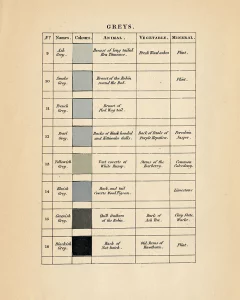
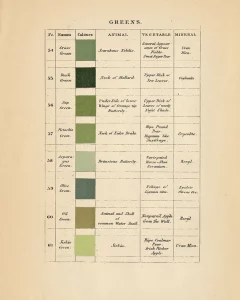
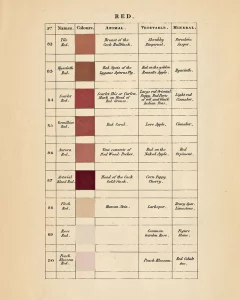
A key publication in the fields of natural history and art, Werner’s Nomenclature of Colours  is a beautifully designed book that boasts a collection of 110 colour swatches. Forming the foundation of modern colour nomenclature, Werner’s work is derived from the colours found in the natural world, with each swatch poetically named, including instructions on their makeup, as well as where to identify them across the animal, mineral, and vegetable kingdoms.

Boasting an eccentric taxonomy that has attracted interest from scientists and artists for centuries, within these pages, you’ll find shades like the lyrically named Skimmed-milk White, Flax-flower Blue, and Sulphur Yellow. A young Charles Darwin utilised the unique classification system on his epoch voyage around the world in 1831, identifying his observations using the colours found in the volume.

A brilliant illustrated natural history gift book for creatives, scientists, and those interested in the history of colour, this articulate colour guide remains as useful in the classification of colour as it was when it was first published at the beginning of the nineteenth century.

“This work has a greater aim than mere illustration; we do not introduce colours for the purpose of entertainment, or to amuse by certain combinations of tint and form, but to assist the mind… to increase the facilities of instruction, and diffuse permanent knowledge.”–Oliver Byrne, 1847

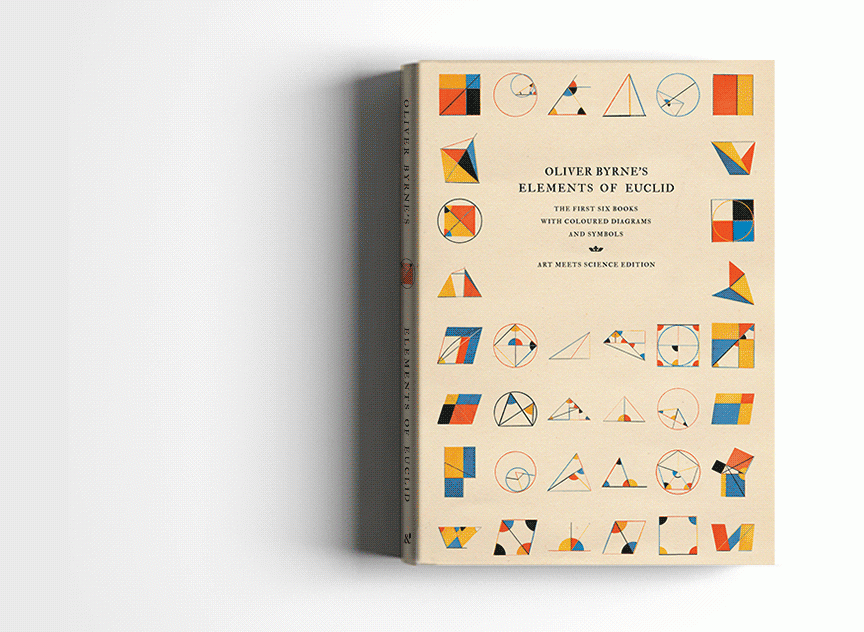
First published in 1847, Oliver Byrne’s remarkable edition of The First Six Books of the Elements of Euclid remains one of the best science coffee table books for readers interested in mathematics, design, and the visual history of knowledge. This striking reinterpretation transforms Euclid’s ancient geometric theorems—originally written around 300 BC—using colour and form in ways that have influenced both mathematical thinking and twentieth-century art movements.

Euclid’s original treatise on geometry and mathematical theory laid the foundation for the modern study of geometry and has since become the cornerstone work in the history of mathematics. it has proved influential in the sciences, used by Galileo Galilei, Albert Einstein, and Sir Isaac Newton, who implemented the theories within Elements to aid their discoveries.

It provided indispensable inspiration for twentieth-century art movements. With avant-garde groups like De Stijl and The Bauhaus using Byrne’s iconic colour, line work and form in many of their works. A key work for those in the design fields, as well as those with an interest in the history of geometry, this unique work showcases the artistic beauty found in mathematics.

“Haeckel’s splendid monograph, the flinty shells of which are amongst the finest artistic treasures of nature.”–Wilhelm Bölsche, 1906

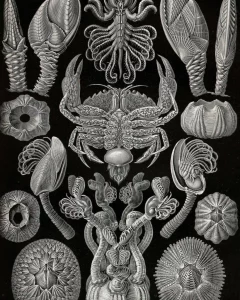
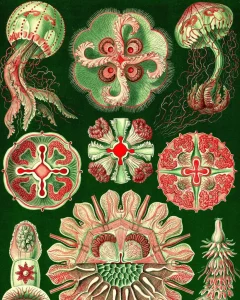
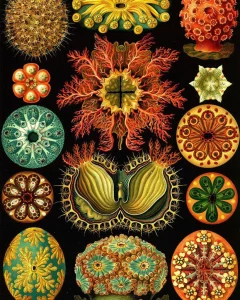
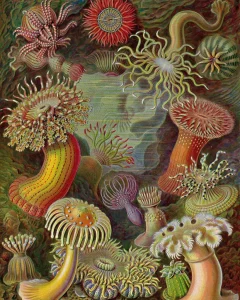
First published in 1904, Haeckel’s detailed illustrations serve as a visual encyclopaedia for his pioneering research and anatomical discoveries. One of the most beautifuly illustrated science books, it features stunning depictions of various land and sea life, including jellyfish, sea anemones, and Radiolaria (miniscule, soft bodied organisms). His sketches were translated into a series of lithographic and halftone prints for publication.

Serving both a scientific purpose while boasting unparalleled aesthetic beauty, the unique collection of plates holds a lasting influence in both the art and science worlds. Utilising lithographic and halftone printing techniques, master lithographer Adolf Glitsch translated Haeckel’s illustrations into 100 highly detailed prints. The book’s striking images coupled with its innovative design inspired many artists of the Art Nouveau movement, with his organic, natural style finding its way into the work of William Morris and Antoni Gaudí. 

The volume made a remarkable contribution to the fields of biology, art, and design, broadening our comprehension of the relationships between different forms of life. Over a century after their first publication, Haeckel’s elaborate lithographic, halftone prints continue to be an exceptional biological exploration, successfully marrying art and science.

“If the photograph in its early and imperfect scientific state was more consonant to our feelings for art, it is because… it was more true to our experience of Nature.”—Lady Elizabeth Eastlake, 1857


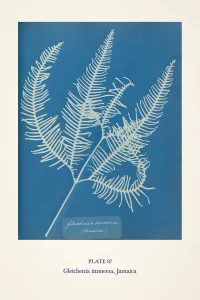
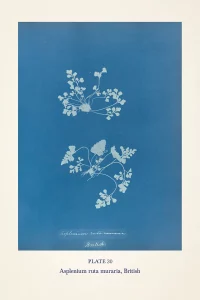
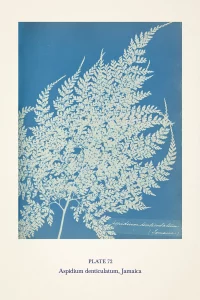
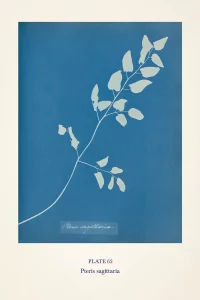
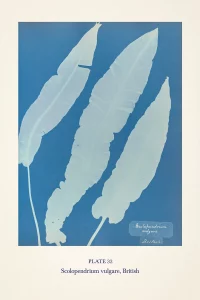
First published in 1853, this remarkable volume offers an immersive showcase of Anna Atkins’ botanical prints, making it one of the most captivating art and science publications of the Victorian era. The delicate cyanotypes within are among history’s first photographs, rendering British and foreign ferns in luminous Prussian blues and soft, intricate whites.

Each specimen appears suspended in water, the rich blue ground creating depth against the airy, moving tendrils of the plants. Though static impressions, the compositions feel alive, forming a thoughtful visual study of each fern through carefully arranged, artistic detail.

A celebration of early photography, botany, and the contributions of a pioneering woman of science, this volume beautifully captures the wonder of the natural world.

“Elegant in exterior… profusely as well as beautifully illustrated… embodying in its pages the scattered facts and floating fragments of knowledge which find their way into periodical literature, shall accredit every man with what justly belongs to him.” — The Medical and Surgical Journal, 1859

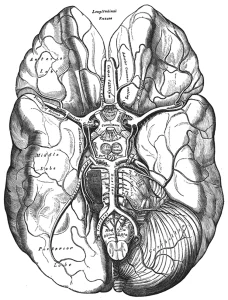
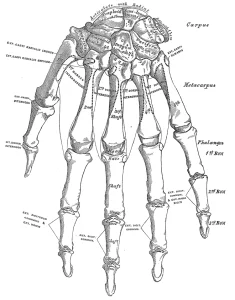
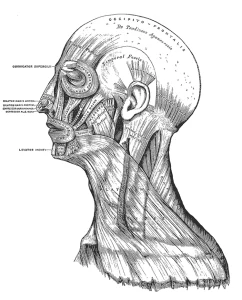
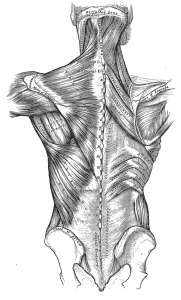
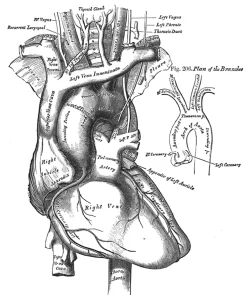
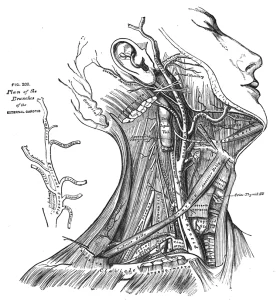
A scientific and artistic triumph, Gray’s Anatomy remains one of the most iconic anatomical texts ever printed and a foundational work for anyone interested in vintage anatomy books. First published in 1858 by Henry Gray and Henry Vandyke Carter as an accessible manual for medical students, its meticulously illustrated pages have guided generations in understanding the human form, shaping medical education and the study of physiology for nearly two centuries.

As a beautiful art-and-science volume, Gray’s Anatomy continues to inspire both medical students and artists. This edition preserves the character of the original work while renewing its vitality, making it an essential addition to any collection of historically significant anatomy and vintage illustrated medical texts.

‘One of the most magnificent works ever produced.’ — Samuel Miller, 1803

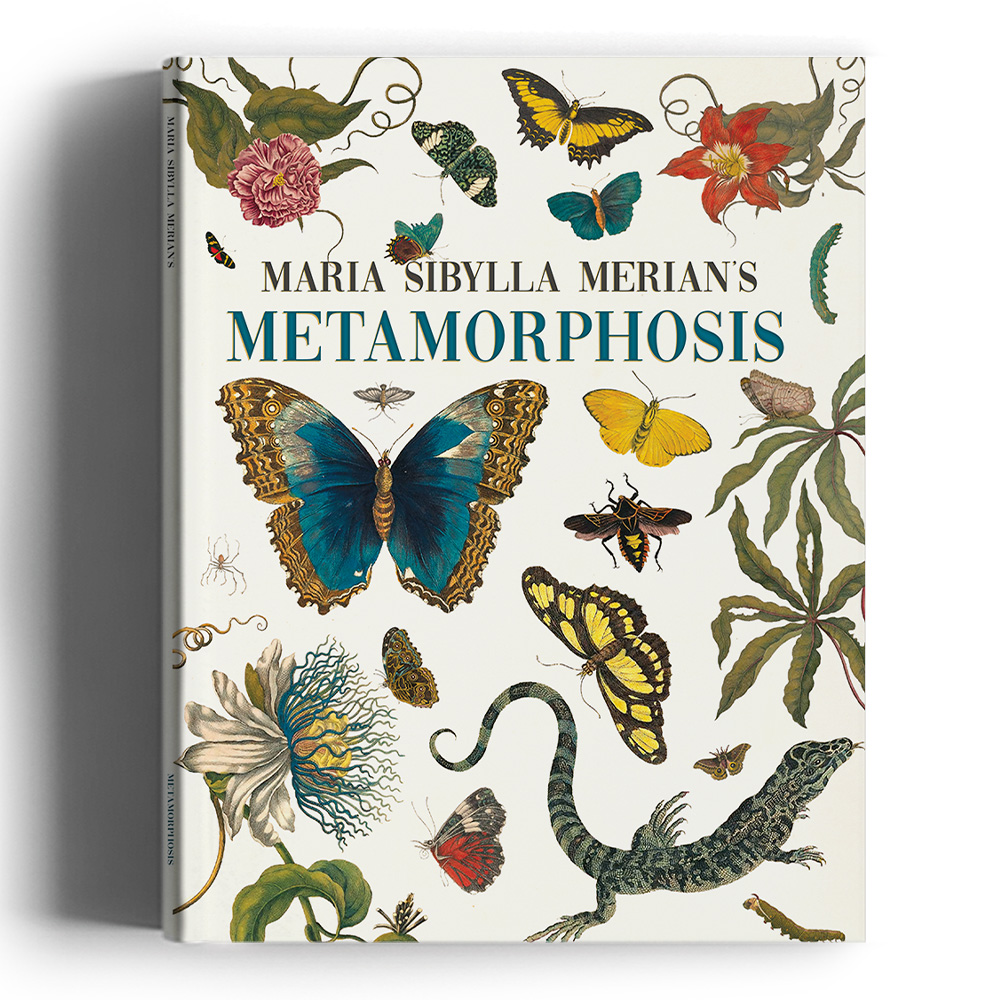
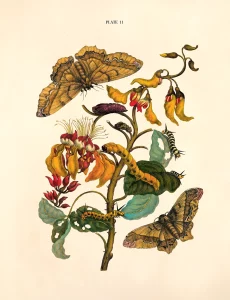
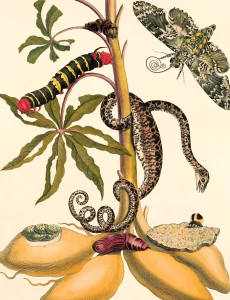
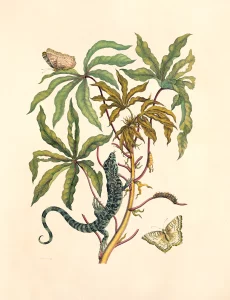
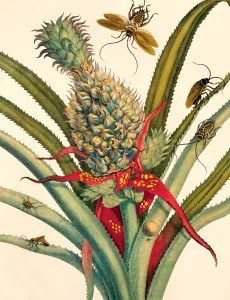
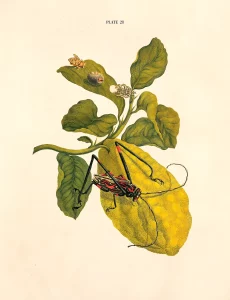
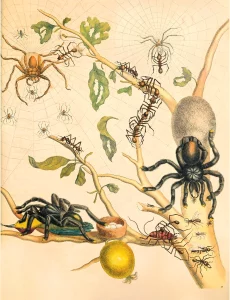
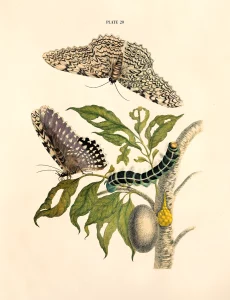
Originally published in 1705, Metamorphosis Insectorum Surinamensis documents Merian’s research expedition to Suriname in 1699. Over the period of two years, the German naturalist observed many South American butterflies and moths, meticulously recording her findings in a series of 60 stunning full-plate illustrations. Her groundbreaking entomological observations, coupled with her unique artworks, emphasise her invaluable role as a pioneering woman in science.

Merian’s work transcends the boundaries between art and science, embodying the brilliant intersection where the two disciplines collide. Featuring 60 full plate illustrations of stunning butterflies, insects, and their native flora and fauna, this wonderful work is a testament to her enduring legacy. Showcasing the brilliant outcome of Maria Merian’s discoveries whilst celebrating her work as a mainstay of the arts and sciences, it makes the perfect gift for art lovers, butterfly enthusiasts, and scientists alike.

‘In her “Colour Problems,”… [Vanderpoel] has aimed to combine the essential results of the scientific and artistic study of colour in concise, practical form, and to classify the study of colour in individual eyes, in light, in history, and nature.’—Brush and Pencil, 1902-08

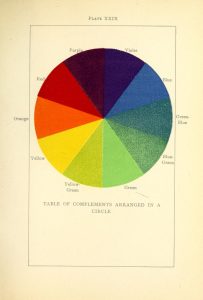
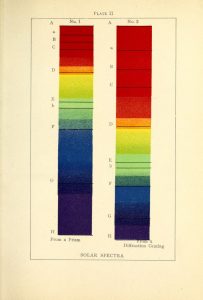
A key publication on colour theory from a pioneering female scientist, this unique work explores the world of colour, reimagining foundational theories for practical use in the fields of art, science, and design.

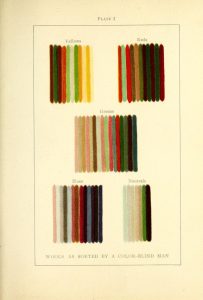
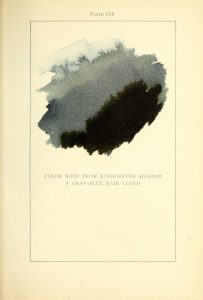
First published in 1902, Color Problems is a seminal work of Emily Noyes Vanderpoel, a pioneering artist, scientist, and scholar. Developing the colour theories established by Newton, Goethe, and their later compeers, Chevruel and Rood, this unique guide presents accessible colour science to appeal across the disciplines, breaking down key ideas in a series of experimental and visually stunning illustrations.

While underappreciated in its time, Vanderpoel’s expressions of colour not only changed the face of colour science but also anticipated major developments in modern art by nearly half a century, becoming influential for abstract artists like Josef Albers and the Bauhaus School of Art.

Explore the Art Meets Science Collection

Discover more on the Art Meets Science Journal