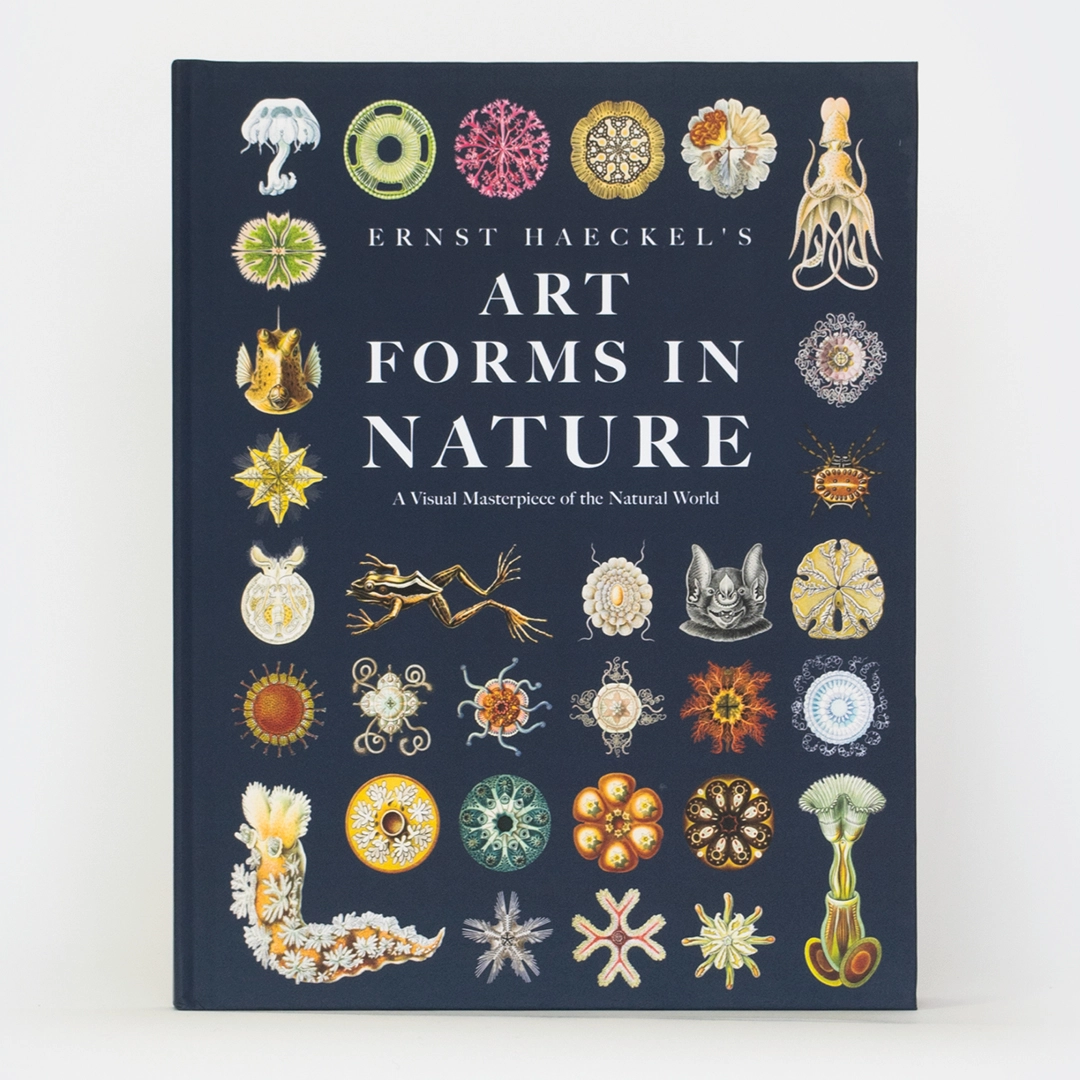
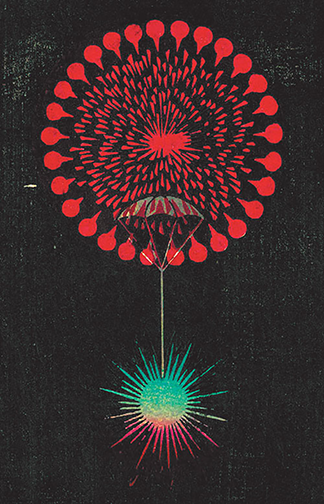
Front Cover of Ernst Haeckel's Art Forms in Nature by Ernst Haeckel ISBN:9781528720809

Ernst Haeckel’s Art Forms in Nature

A Visual Masterpiece of the Natural World

One of the most beautiful science books ever made, Ernst Haeckel’s Art Forms in Nature gathers 100 plates of radiolarians, jellyfish, and other tiny organisms that reveal the hidden symmetry of the natural world.

Book Description

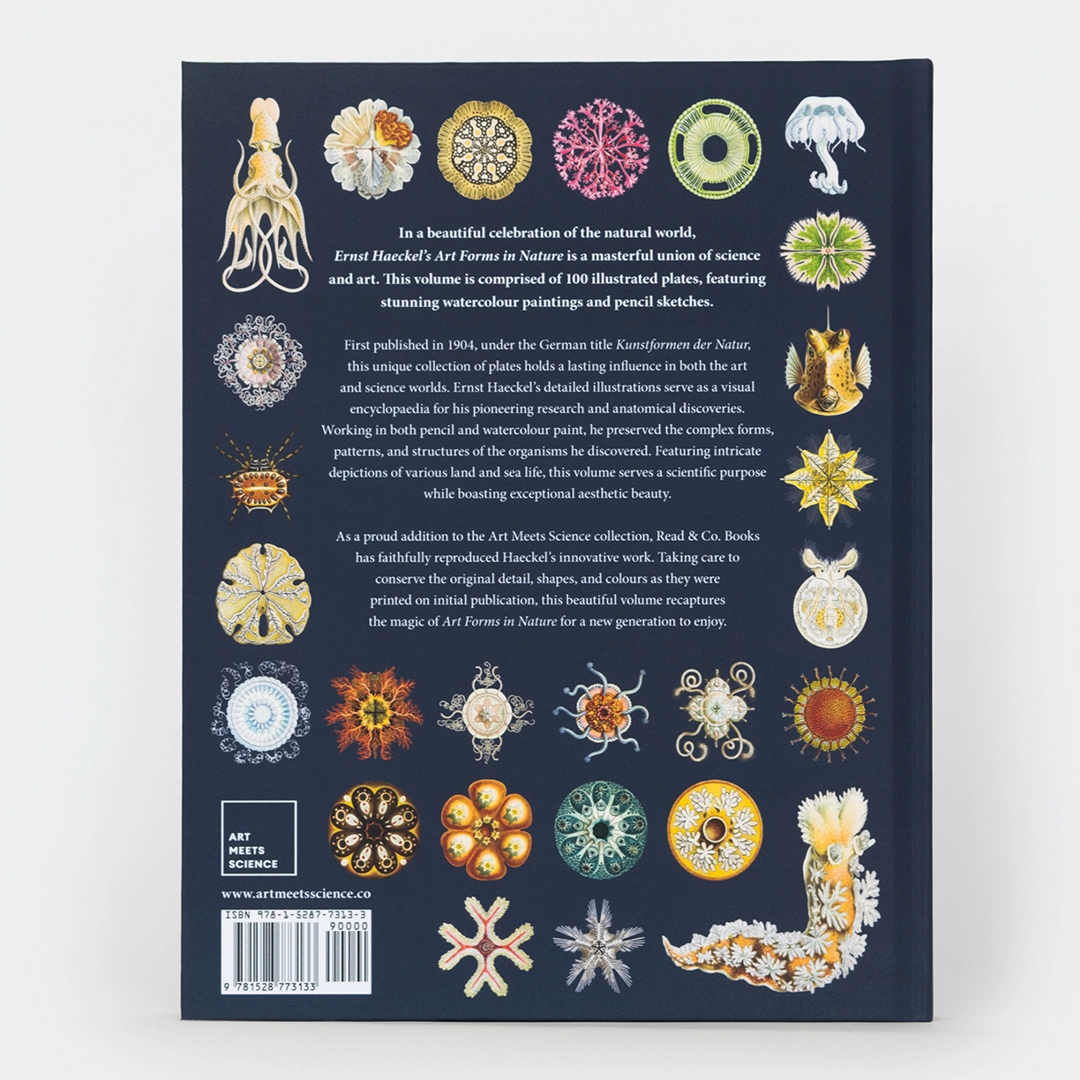
One of the most beautiful science books ever made, Ernst Haeckel’s Art Forms in Nature gathers 100 plates of radiolarians, jellyfish, and other tiny organisms that reveal the hidden symmetry of the natural world.

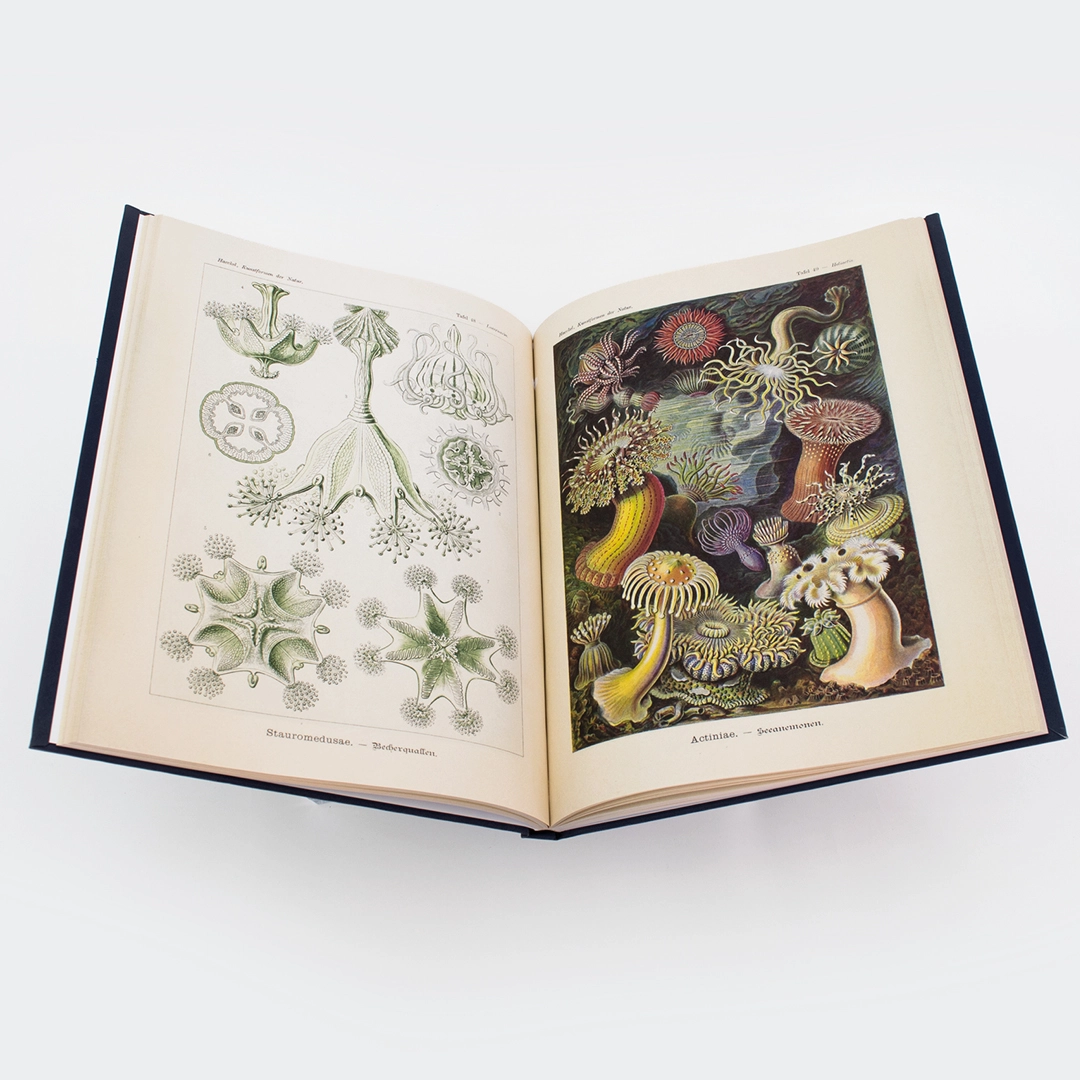
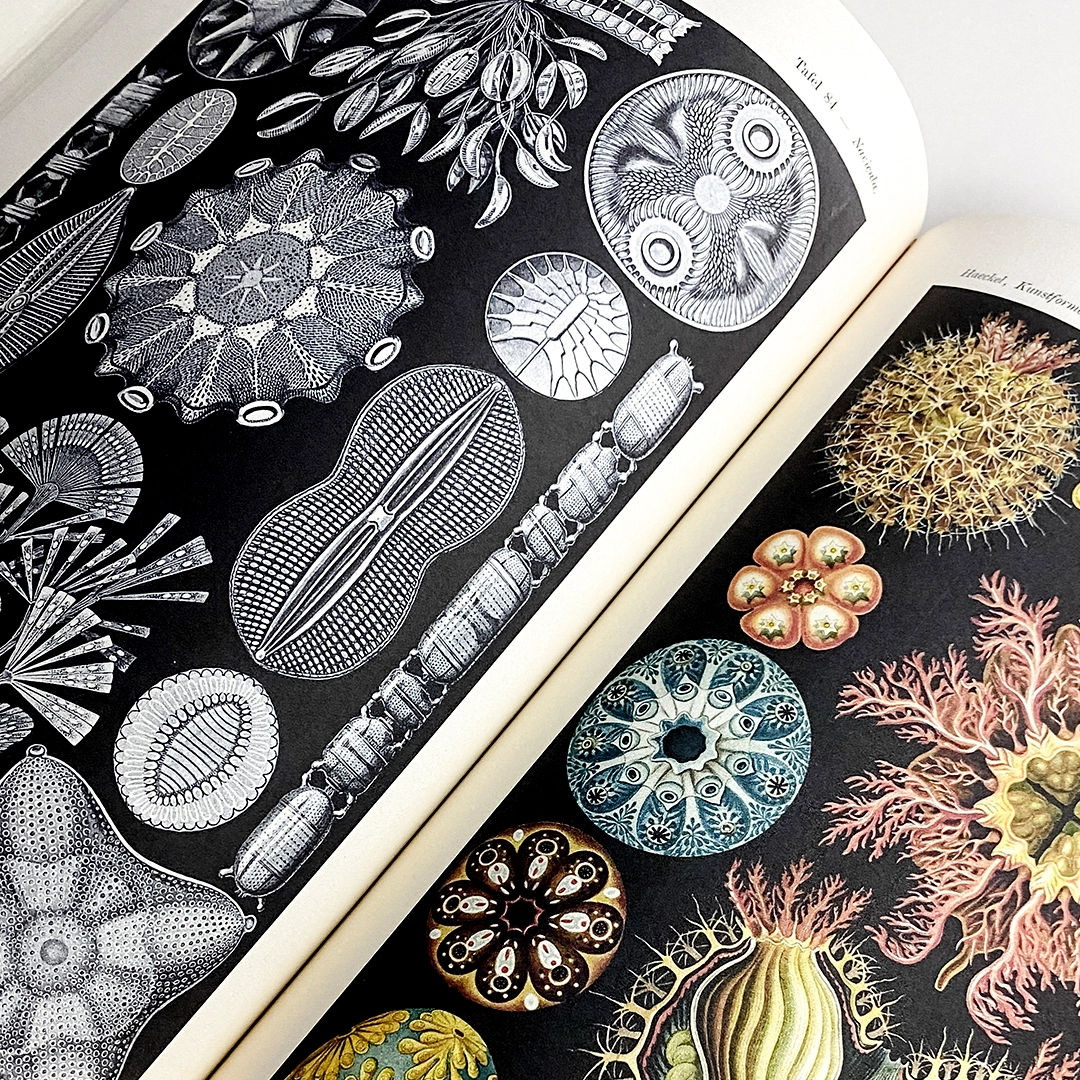
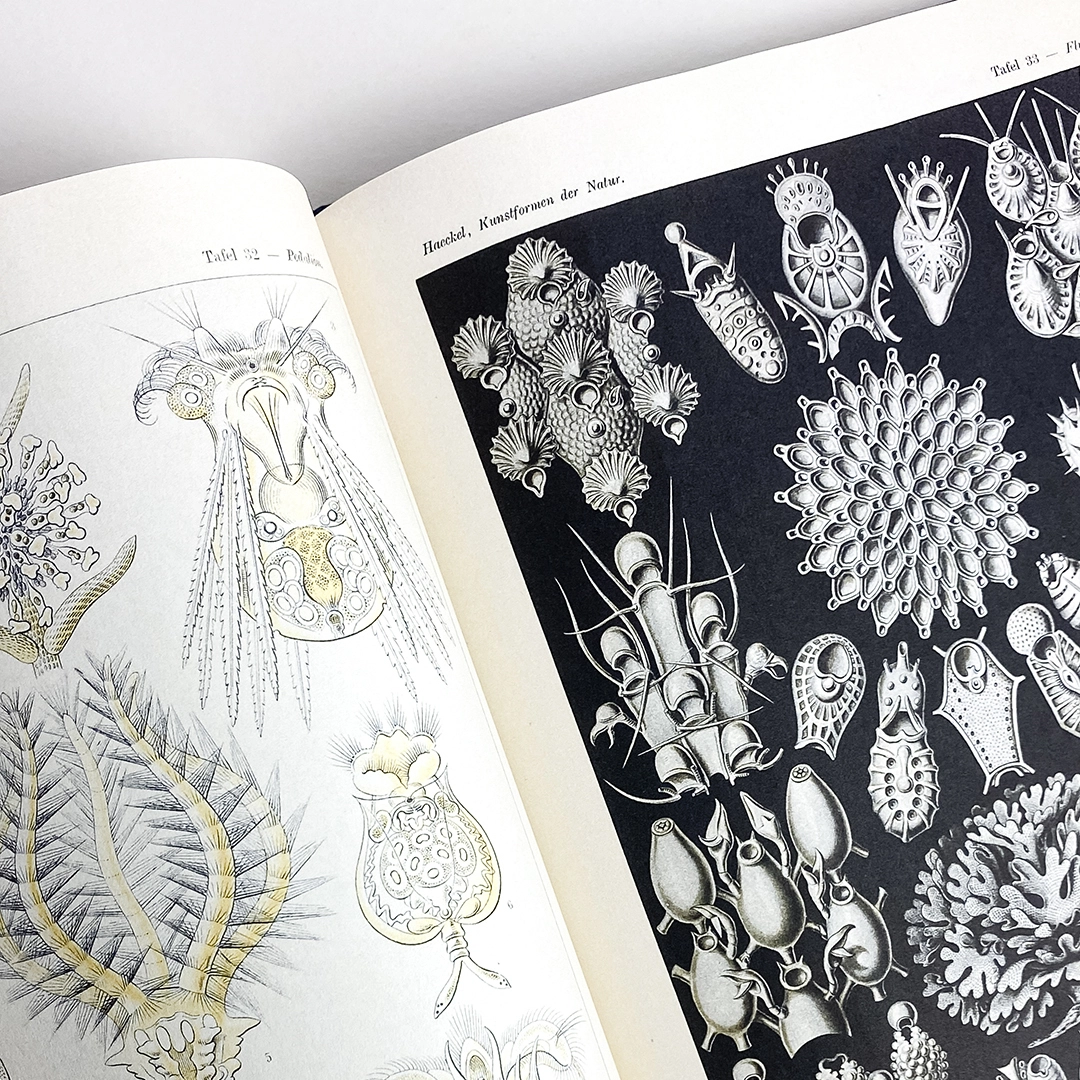
First published in full in 1904, under the German title Kunstformen der Natur, Haeckel’s unique study set out to reveal the structures underlying all living things. Working in both pencil and watercolour, he captured the complex forms, patterns, and structures of the organisms he discovered – many of them microscopic and never presented in such detail before. While his illustrations serve as a visual encyclopaedia for his pioneering research and biological discoveries, their forms helped shape the Art Nouveau movement, drawn directly into the architecture, glass, and jewellery of the age.

This edition celebrates Haeckel’s work in its original detail, preserving the shapes and colours as they first appeared. Over a century on, Art Forms in Nature remains one of the most striking examples of where art meets science, still studied by designers and naturalists alike.

Publisher's Note

For the artist, the naturalist, and anyone who loves the natural world, Ernst Haeckel’s Art Forms in Nature reveals the artistry hidden in life’s smallest forms.

This book represents exactly what we hope to celebrate here at Art Meets Science – nature’s own design in its purest state. Haeckel’s Art Forms show that the beauty of the natural world can be found even in the tiniest microscopic organisms. Their pattern and symmetry are unparalleled, and they have ultimately become the foundation of human art and design. And while the highly ornamental plates showcase Haeckel’s creative talent, they are also deeply grounded in his scientific research. His influence in the sciences and the arts furthered our understanding in both disciplines.

“This work, in all its intricate glory, is the truest example of the wonder found in nature when you really look for it.”— Rose, Publisher

Additional information

Weight 467.208 g
Dimensions 8.5 × 11 in
ISBN

9781528720809, 9781528773133, 9781528798587

Formats Available

, ,

Pages

142

Publication Date

22 May 2024

Book Features:

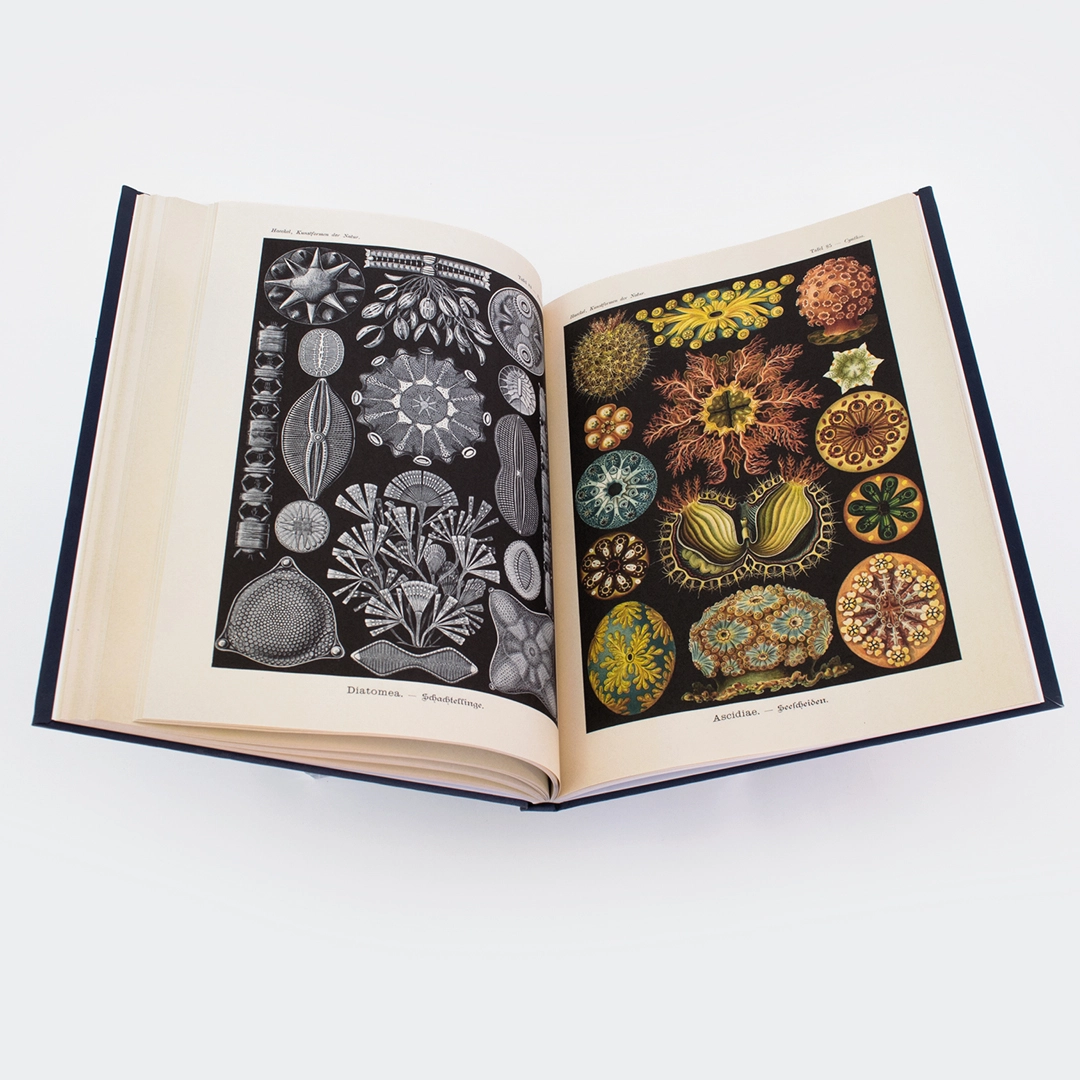
  • A facsimile of Ernst Haeckel’s 1904 Kunstformen der Natur in 100 illustrated plates.
  • Radiolarians, jellyfish, sea anemones, lichens, orchids, and other forms reproduced from Haeckel’s watercolour and pencil studies.
  • A large-format reference book for designers, artists, and naturalists.
  • A distinctive gift and coffee table book for lovers of natural history, botanical art, and Art Nouveau design.

Table of Contents:

Contents:

  • Introduction: Bridging the Gap Between Art and Science
  • Ernst Heinrich Haeckel, 1834–1919
  • Art Forms in Nature
  • Index

Editorial Reviews:

“Surrounding nature offers us everywhere a marvellous wealth of lovely and interesting objects of all kinds. In every bit of moss and blade of grass, in every beetle and butterfly, we find, when we examine it carefully, beauties which are usually overlooked. Above all, when we examine them with a powerful glass or better still, with a good microscope, we find everywhere in nature a new world of inexhaustible charms.“—Ernst Haeckel, 1899

“Haeckel’s splendid monograph, the flinty shells of which are amongst the finest artistic treasures of nature.”—Wilhelm Bölsche, 1906

“Haeckel, the naturalist; Haeckel, the great apostle of Darwin.”—Richard C. Schiedt, 1920

Extract

In search of a project that would engage his passion for art as well as his interest in scientific research, Haeckel travelled to Italy. It was here that he met the German painter Hermann Allers. Inspired by his new friend, he realised he wanted to dedicate himself entirely to his creative desires. But, once again cautioned by his father, he was prevented from pursuing a full-time artistic career.

It was while Haeckel was in the Italian city of Messina that he received buckets of minute invertebrates from a local fisherman, which hadn’t been subjected to scientific investigation before. Studying the organisms beneath a microscope, he became enthralled by the sea creatures’ beauty and the remarkable geometry of their bodies, logging his discoveries through a series of sketches. Identifying them as Radiolaria, these tiny, single-celled organisms are classed as neither animals nor plants and had never been recorded in the intricate detail with which Haeckel worked. Viewing the organisms as nature’s own works of art, he captured the intrinsic details of their skeletons and bodies with dedicated precision. Here, he was able to combine his two passions, and within a single month he had identified over 100 new microscopic species.

Working in both pencil and watercolour paint, Haeckel rendered the natural beauty of the organisms he discovered, preserving their complex forms, patterns, and structures. Highlighting the naturally occurring symmetry of exoskeletons and epidermises, his illustrations focus on beautiful elements such as scale formations and molluscs’ spiralling patterns. The subtle shading and mesmerising attention to detail drew the public eye to thousands of previously unstudied species.

—From the Introduction

More About This Work

A bold and influential thinker, Ernst Haeckel did more than almost anyone to bring Darwin’s work to a general audience, with his scientific sketches and theories central to the spread of evolutionary thought in Europe. He held a professorship in zoology at the University of Jena, Germany, for over four decades, and at the time of his retirement had published hundreds of works on the subject. His contributions to biology continue to be studied and debated, while his more controversial views on the categorisation of humankind have since been widely discredited. He was also highly influential in advancing the theory that nature can best be understood as a unification of many interrelationships – an idea that led him to coin the term ecology, derived from oikos, the Greek for household.

A Victorian botanical illustration of diverse fungi species by Anna Maria Hussey, a pioneering female mycologist and scientific illustrator.
Pages-from-Firework_art-of-fireworks_504h